


Various sizes
€7.70 (tax incl.)
The carob tree is a large evergreen tree whose origin is the Mediterranean basin.
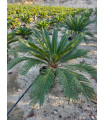
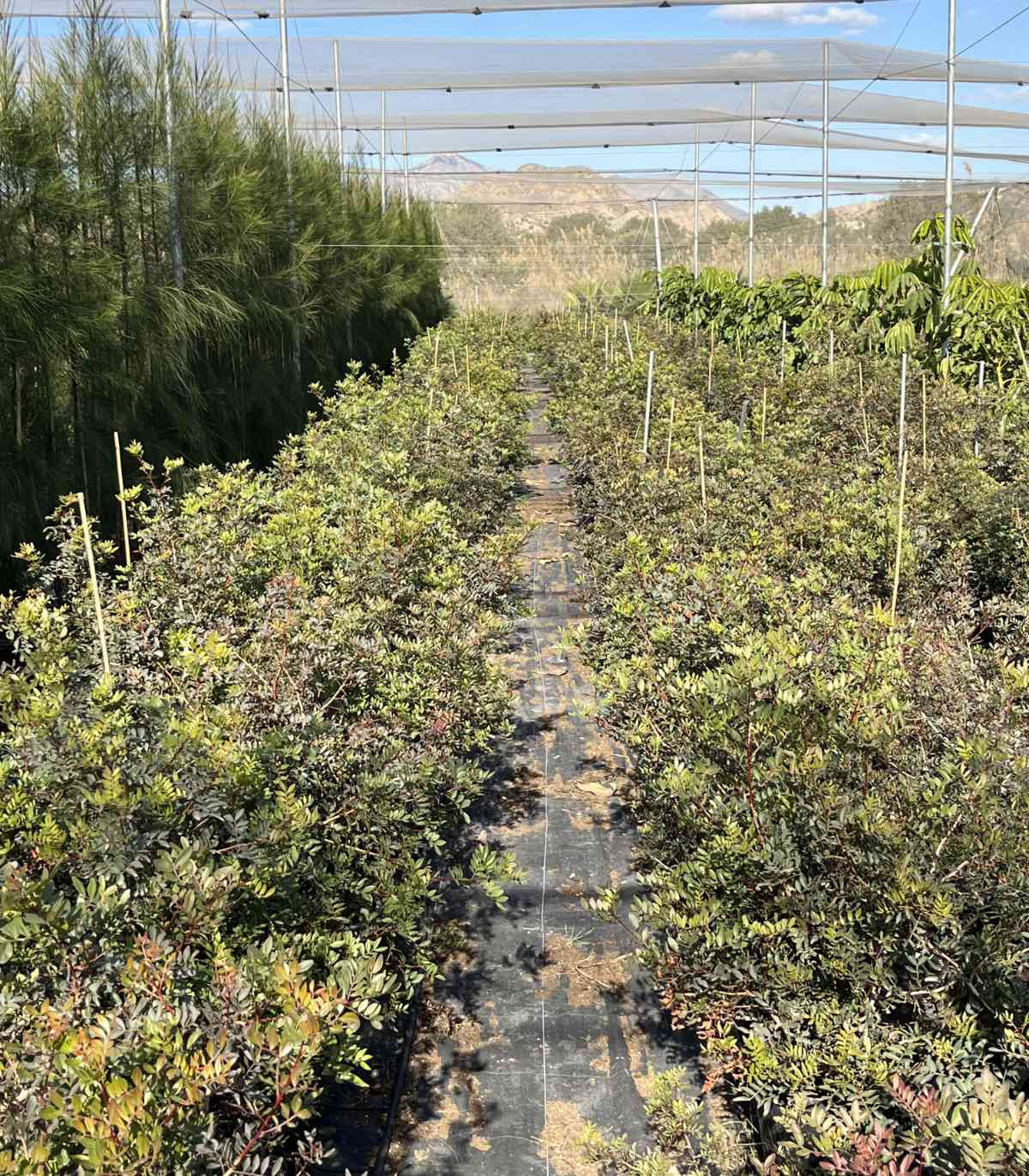
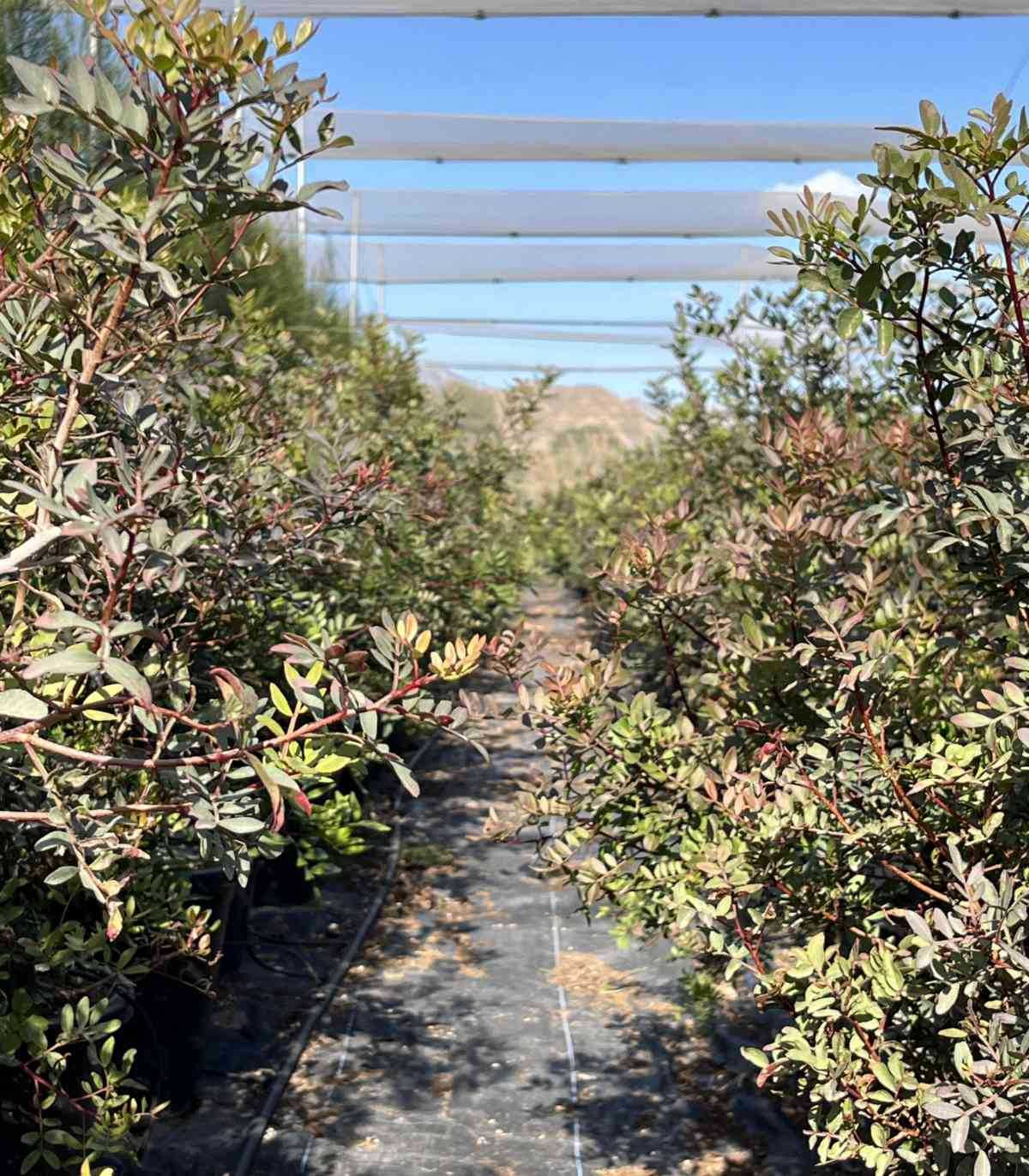
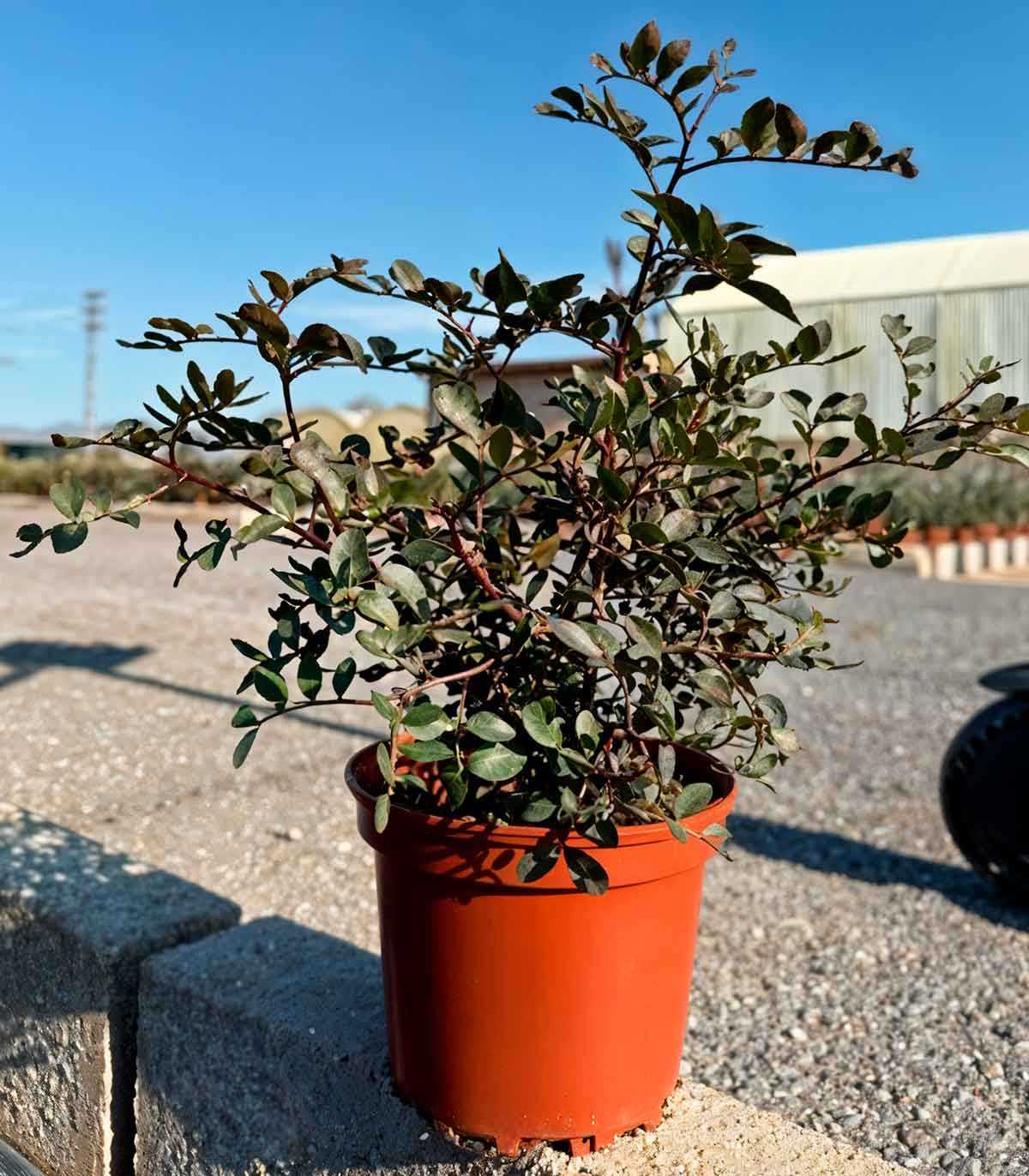
The mastic tree, also known as the mastic tree, is native to the Canary Islands, Morocco, and the Mediterranean coast. It is an evergreen shrub or small tree typical of Mediterranean scrubland; it has an upright habit in its early years, and later the crown widens and becomes rounded.
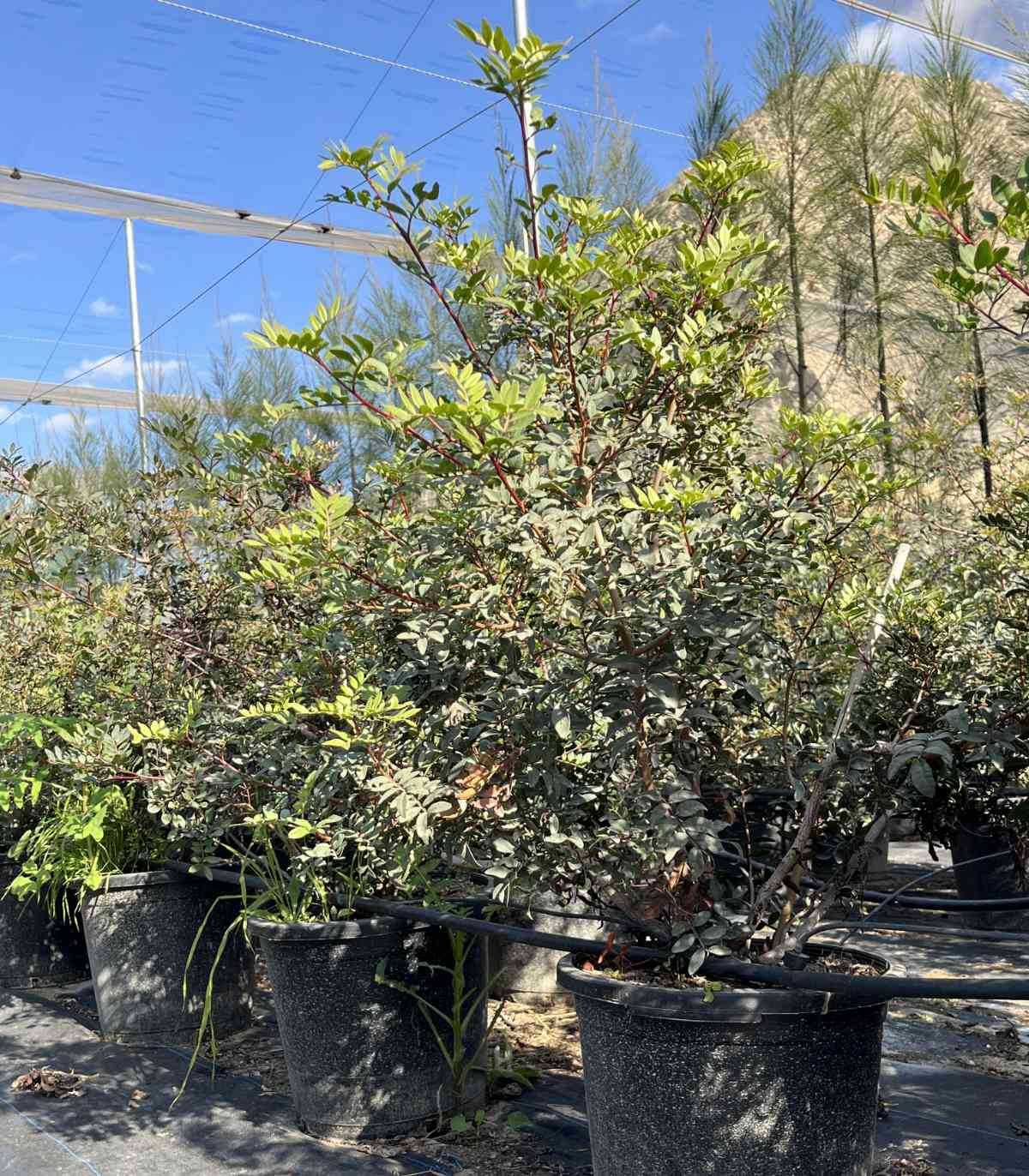
The mastic tree, also known as the mastic tree, is native to the Canary Islands, Morocco, and the Mediterranean coast. It is an evergreen shrub or small tree typical of Mediterranean scrubland. It has an upright habit in its early years, later developing a rounded crown. Its pinnate leaves are composed of 2-5 pairs of leathery, glossy leaflets, dark green on the upper surface and paler on the underside, turning reddish in cold weather. When rubbed, they emit a strong resinous odor. The flowers are almost insignificant, while the fruits are very showy; they are red and cover the plant in autumn, turning black when ripe. It is one of the plants best adapted to arid areas and gardens overlooking the sea, but it requires fairly fertile soil. It tolerates pruning.
Physiological and cultivation characteristics:
The carob tree is a large evergreen tree whose origin is the Mediterranean basin.
The strawberry tree originates in the Mediterranean basin. It is one of the main shrub species of the Mediterranean basin and the pine undergrowth of the coast.
Format: 10 L / 120-140 cm
The Leyland cypress (Cupressocyparis leylandii) is the ideal choice. This natural hybrid, the result of a cross between Cupressus macrocarpa and Chamaecyparis nootkatensis, has become a favorite among gardeners and landscape designers worldwide.
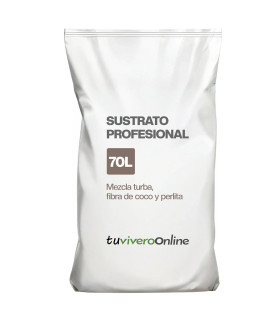
70-liter bag of professional substrate, ideal for high-yield cultivation. Composed of a balanced mix of peat, coconut fiber, and perlite, it guarantees excellent drainage, moisture retention, and aeration for optimal root development.
A majestic conifer, unmistakable for its umbel-shaped crown, a symbol of Mediterranean flora. It arrived on our peninsula from Crete and Asia Minor. It has a straight, cylindrical trunk, whose bark has wide plates of reddish-brown and gray colors, and is longitudinally furrowed.
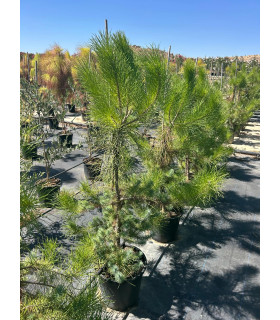
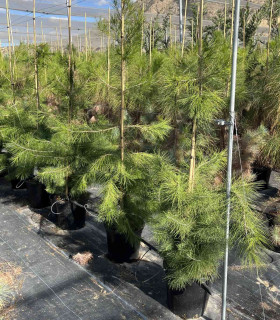
The Aleppo pine, also known as the Aleppo pine, is a species native to the Mediterranean coast. It is a conifer with a broad, pyramidal shape, branching at the base, and with thin, gray bark when young.
The Monterey Cypress (Cypress macrocarpa) is an ideal choice. Its majestic appearance, fragrant foliage, and ease of cultivation make it one of the most popular conifers.
Pistacia terebinthus , commonly known as terebinth or cornicabra, is a shrub or small tree up to 6 m tall belonging to the cashew family (Anacardiaceae), genus Pistacia, native to the western Mediterranean and ranging from the Canary Islands, Morocco and the Iberian Peninsula, to Greece and western Turkey.
Please sign in first.
Sign in