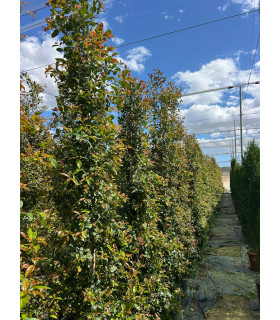

The genus Eugenia is a genus of evergreen tree and shrub that botanists have subdivided and renamed many times; among the new names, Syzygium prevails.
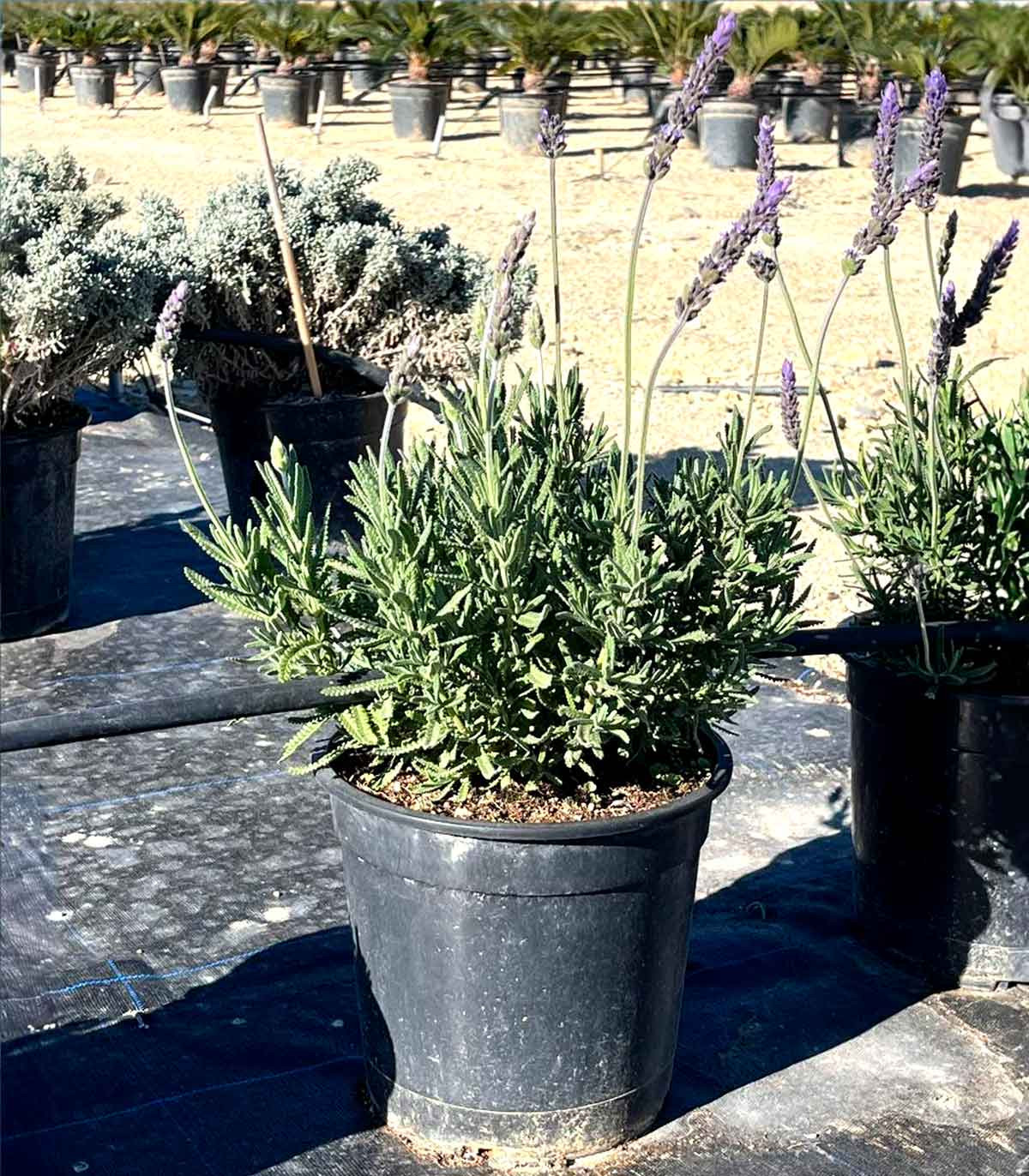
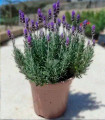
Toothed Lavender, scientifically known as Lavandula dentata, is a variety of lavender highly prized for its unique characteristics and unmistakable aroma. If you're looking for a plant that combines beauty and fragrance to enhance your garden, Toothed Lavender is the perfect choice.
Pot: 6L / 40-60 cm
€9.90
(tax incl.)
Reference:
Toothed Lavender, scientifically known as Lavandula dentata, is a variety of lavender highly prized for its unique characteristics and unmistakable aroma. If you're looking for a plant that combines beauty and fragrance to enhance your garden, Toothed Lavender is the perfect choice.
Characteristics of Toothed Lavender
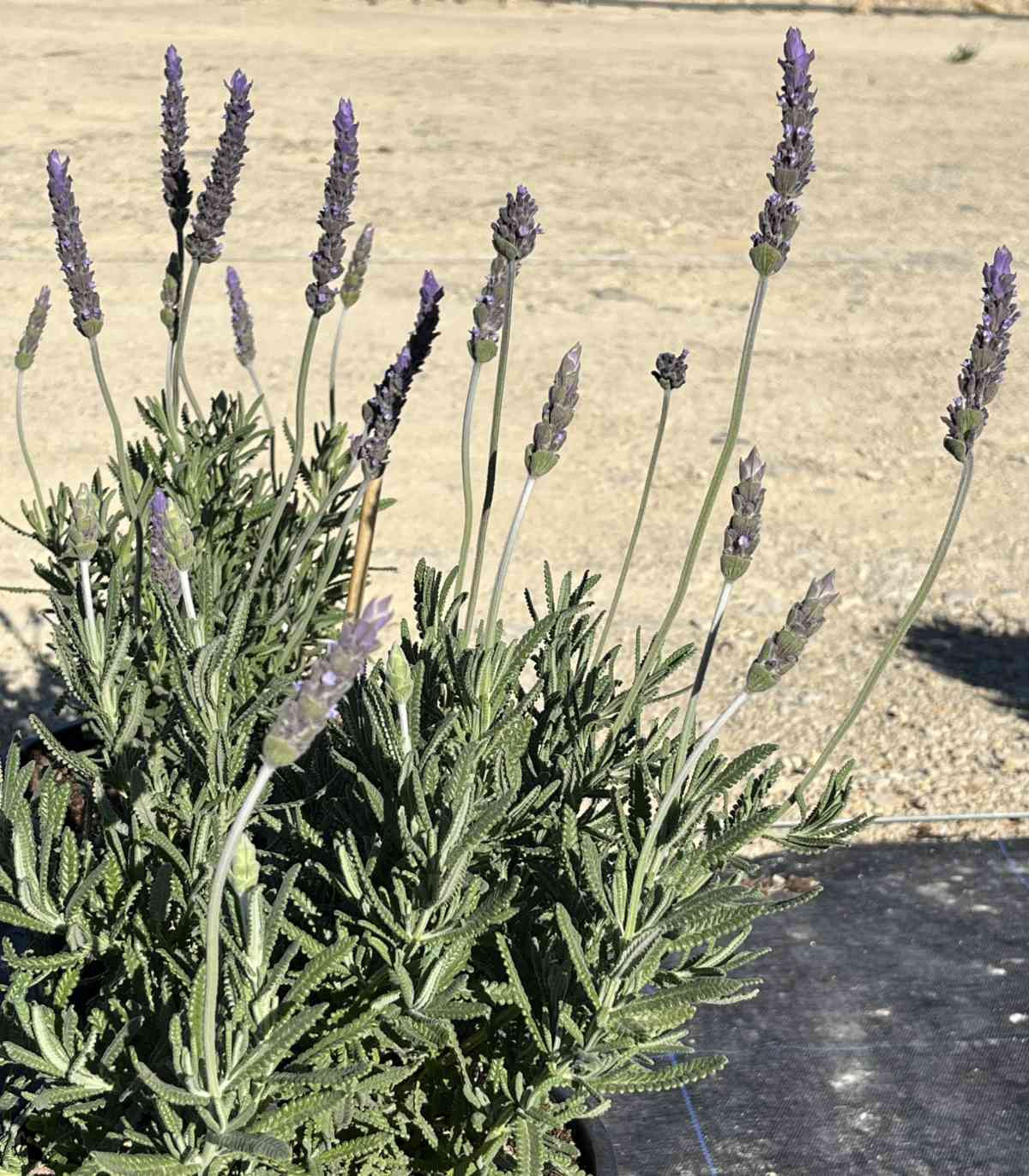
- Toothed leaves: As its name suggests, one of the most distinctive characteristics of this lavender is its leaves, which have toothed or serrated edges, giving it a very attractive ornamental appearance.
- Purple flowers: During flowering, Toothed Lavender produces beautiful spikes of deep purple flowers, which are not only visually striking, but also give off a sweet, floral scent.
- Compact size: This variety of lavender usually reaches a moderate height, making it ideal for growing in pots, planters, or along roadsides.
- Drought resistance: Toothed Lavender is a very hardy and adaptable plant, able to withstand drought conditions and poor soils.
Care of the Toothed Lavender
- Location: Toothed lavender prefers sunny, well-ventilated locations. If growing it in a pot, ensure it receives at least 6 hours of direct sunlight daily.
- Soil: It adapts to various types of soil, but prefers those that are well-drained and slightly alkaline.
- Watering: It's important not to overwater, as excess moisture can rot the roots. Water regularly, but allow the soil to dry slightly between waterings.
- Pruning: To maintain a compact appearance and stimulate flowering, it is advisable to perform a light pruning after flowering.
- Pests and diseases: Toothed Lavender is a fairly resistant plant to pests and diseases, but it can be affected by aphids and mealybugs.
Benefits of growing toothed lavender
- Aromatic properties: Dental lavender essential oil has relaxing and calming properties, so it can be used to create a relaxing atmosphere in your home.
- Repellent properties: Its strong aroma helps to repel insects such as mosquitoes and flies.
- Culinary use: Dental lavender flowers can be used to flavor infusions, desserts and savory dishes.
- Medicinal use: Dental lavender essential oil has antibacterial and antifungal properties, so it is used in the production of cosmetic and medicinal products.