
The blue Agapanthus, also known as the African lily, is the perfect choice. Native to South Africa, this beautiful specimen stands out for its striking blue flowers clustered in umbels, which bloom during the summer and early autumn.
Pot: 6L/ 40-60 cm
Various sizes
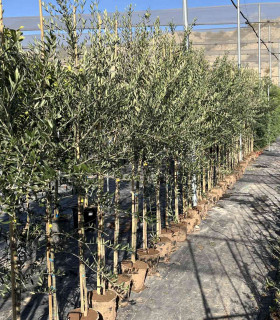
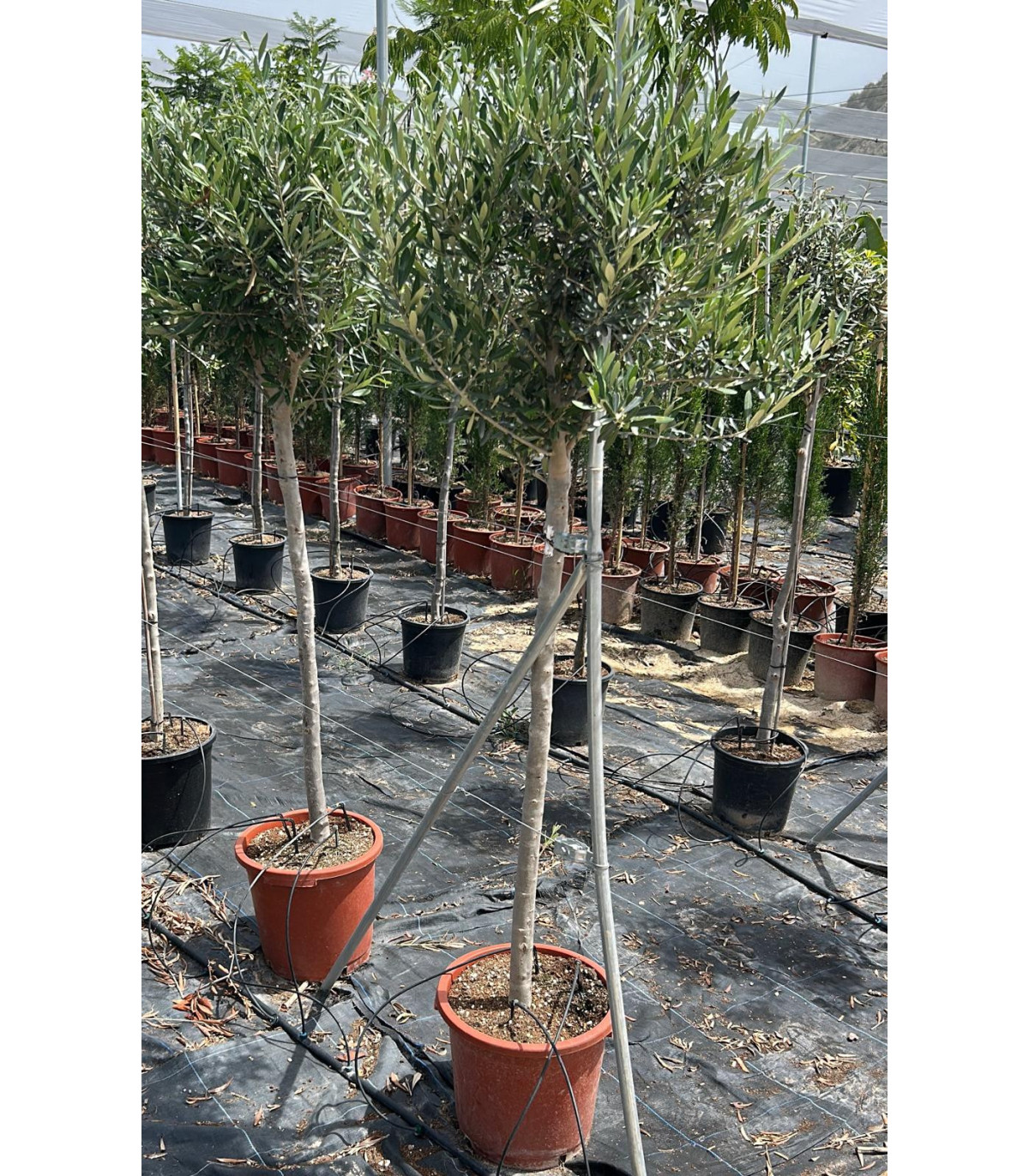
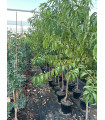
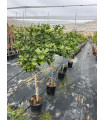
The olive tree is much more than a fruit tree. It is a symbol of longevity, wisdom, and peace, capable of beautifying any outdoor space with its majestic stature and evergreen foliage. Its rounded and well-defined crown makes it a focal point in gardens, patios, and terraces, adding a timeless Mediterranean touch.
€49.50 (tax incl.)
Reference:
The olive tree is much more than a fruit tree. It is a symbol of longevity, wisdom, and peace, capable of beautifying any outdoor space with its majestic stature and evergreen foliage. Its rounded and well-defined crown makes it a focal point in gardens, patios, and terraces, adding a timeless Mediterranean touch.
Physiological Characteristics of the Olive Tree Canopy
- Deep roots: The root system of the olive tree is extensive and deep, allowing it to adapt to various soil types and withstand drought.
- Robust trunk: Over the years, the trunk of the olive tree develops a rough and cracked bark, which gives it a characteristic appearance full of personality.
- Evergreen leaves: Its leaves are greyish-green, lanceolate and opposite, and remain on the tree throughout the year.
- Fruits: Olives, the fruit of the olive tree, are rich in oil and are used for the production of extra virgin olive oil, one of the most valued products in world gastronomy.
- Longevity: Olive trees are slow-growing but long-lived, able to live for several centuries.
Olive Tree Care
- Location: The olive tree prefers sunny locations sheltered from the wind. It adapts to a wide variety of soils, although it prefers well-drained soils.
- Watering: Although it is a drought-resistant species, the olive tree will appreciate regular watering during drier periods, especially when it is young.
- Pruning: Pruning is essential to maintain the shape and health of the olive tree canopy. Formative pruning is recommended during the first few years, followed by annual maintenance pruning to remove dead or diseased branches.
- Fertilization: Regular fertilization with a fertilizer specifically for olive trees will promote growth and fruit production.
- Pests and diseases: The olive tree can be affected by various pests and diseases, such as the olive fly or olive leaf spot. It is important to carry out preventative treatments and act quickly at the first sign of any symptoms.