


€86.90 (tax incl.)
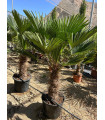
The Trachycarpus Wagneriana, also known as the dwarf Chusan palm, is the ideal choice. This palm species, native to Asia, has earned a prominent place in the world of gardening for its beauty and hardiness.
Pot: 30L / 150-170 cm
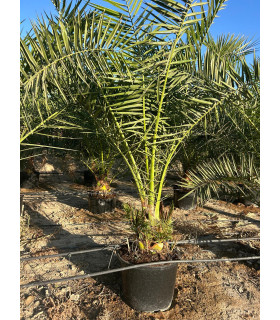
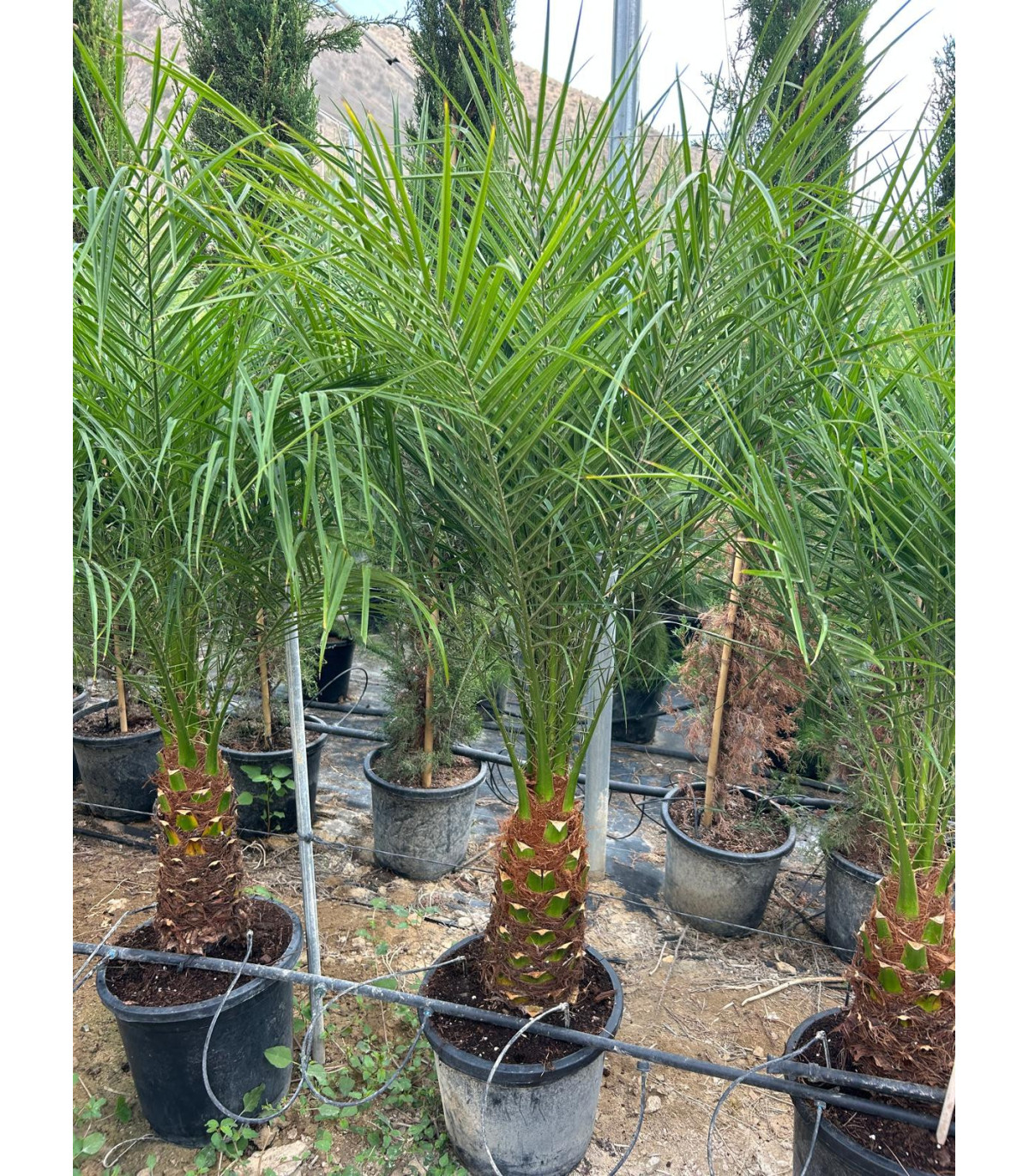
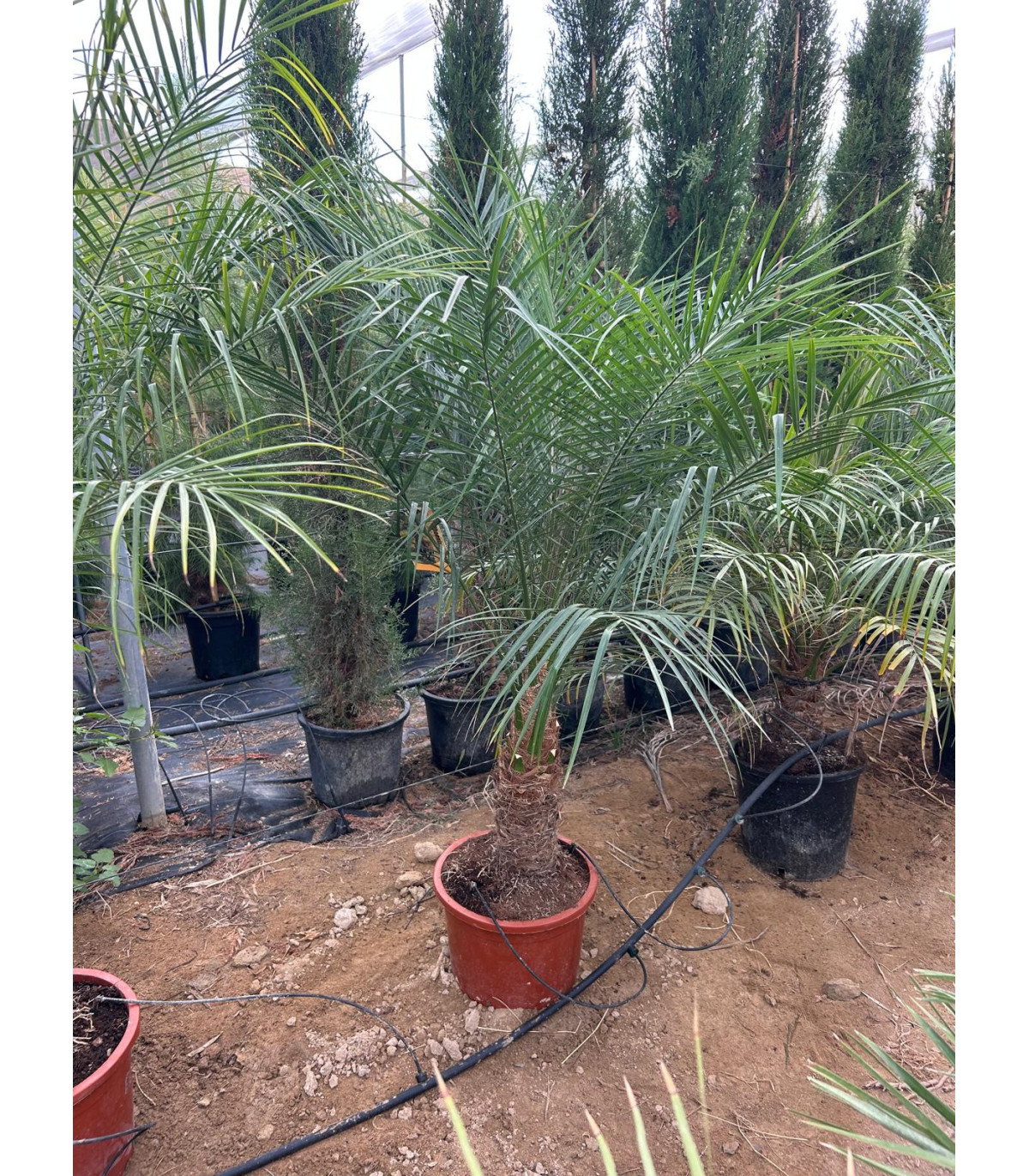
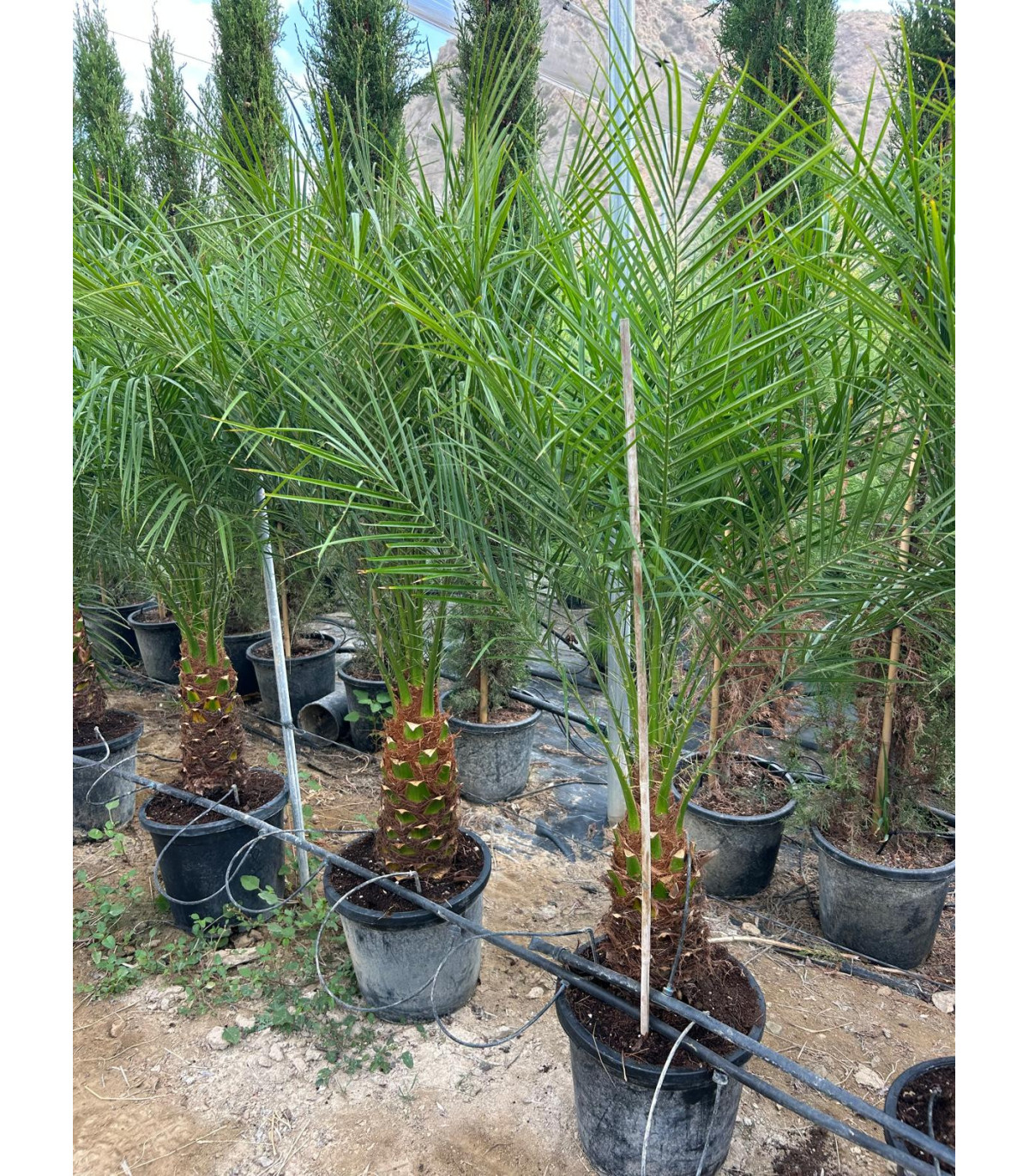
The Phoenix roebelenii, also known as the dwarf palm, is an ideal choice. Its compact size, feathery leaves, and hardiness make it one of the most popular indoor and outdoor plants. In this article, we'll provide you with all the information you need to care for your Phoenix roebelenii and enjoy its beauty for years to come.
The Phoenix roebelenii, also known as the dwarf palm, is an ideal choice. Its compact size, feathery leaves, and hardiness make it one of the most popular indoor and outdoor plants. In this article, we'll provide you with all the information you need to care for your Phoenix roebelenii and enjoy its beauty for years to come.
Characteristics of the Phoenix Roebelenii
The Phoenix roebelenii is a slow-growing, small palm, ideal for limited spaces. Its bright green, arching, pinnate leaves give it a tropical and exotic appearance. The trunk is slender and can branch out over time, forming a clump of palms.
Care of the Phoenix Roebelenii
The Phoenix Roebelenii is a relatively easy plant to care for, but it does require some basic care to stay healthy.
The Trachycarpus Wagneriana, also known as the dwarf Chusan palm, is the ideal choice. This palm species, native to Asia, has earned a prominent place in the world of gardening for its beauty and hardiness.
Pot: 30L / 150-170 cm
The carob tree is a large evergreen tree whose origin is the Mediterranean basin.
The Schefflera Dalton is the perfect choice. With its large, palmate leaves and elegant appearance, this tropical plant adds a touch of exoticism to any space.
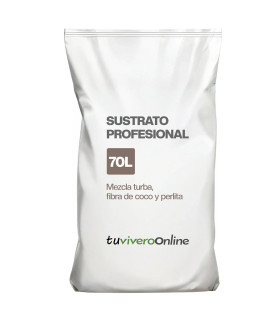
70-liter bag of professional substrate, ideal for high-yield cultivation. Composed of a balanced mix of peat, coconut fiber, and perlite, it guarantees excellent drainage, moisture retention, and aeration for optimal root development.
The strawberry tree originates in the Mediterranean basin. It is one of the main shrub species of the Mediterranean basin and the pine undergrowth of the coast.
Format: 10 L / 120-140 cm
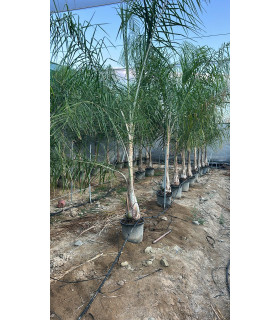
The Queen Palm or Syagrus originates in Brazil. It is a semi-rustic palm with a rather thin trunk at first, which widens at the base over the years.
The Canary Island Date Palm, as its name suggests, originates from the Canary Islands. It is a very vigorous palm that can reach 20 meters in height, with a very wide crown and a large trunk.
A genus comprising vigorous climbing shrubs with long, more or less thorny branches. The leaves are alternate and entire, and the small, almost insignificant white flowers are surrounded by three large, vividly colored bracts that constitute their true beauty and remain on the plant throughout the warm months, from June to October; afterwards, they turn green, dry out, and become papery.
Please sign in first.
Sign in