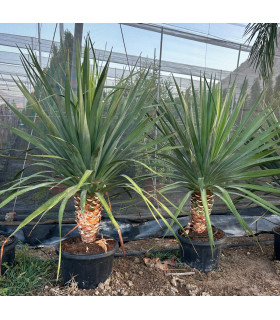
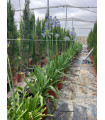


The Chamaerops humilis, commonly known as the dwarf palm, is the ideal choice. Native to the Mediterranean region, this species has earned a prominent place in gardening for its hardiness and beauty.
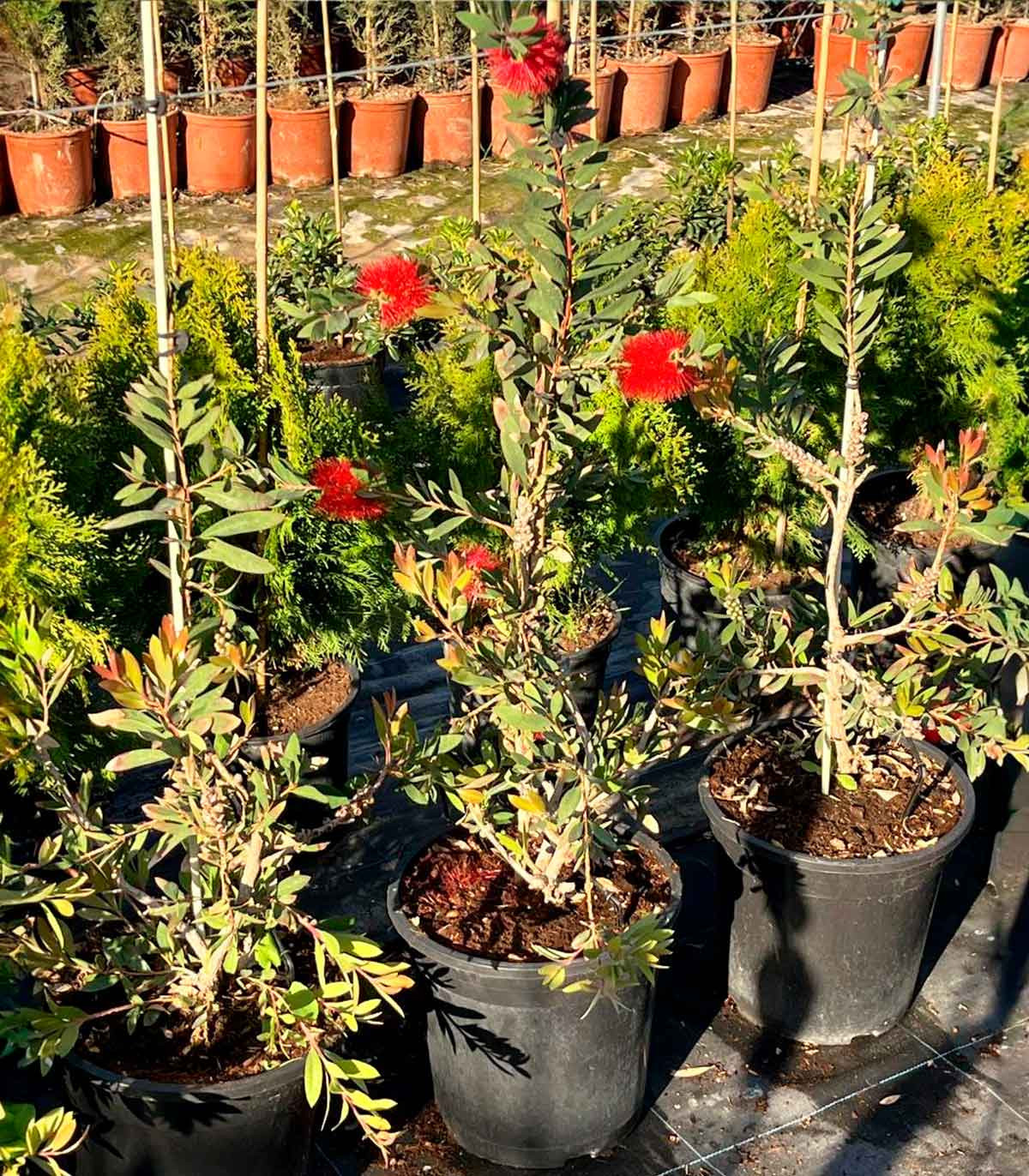
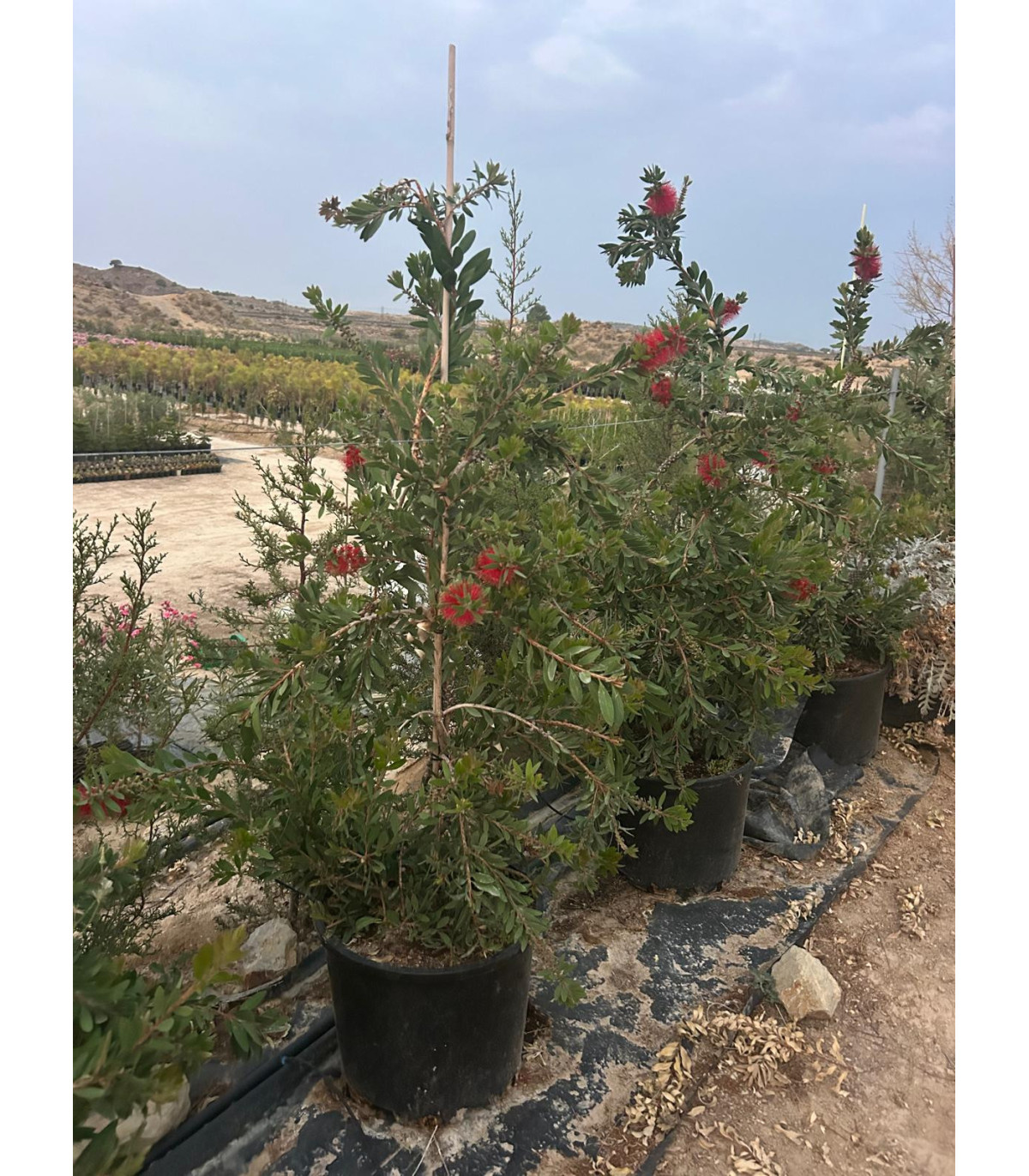
Callistemon, commonly known as bottlebrush or red bottlebrush, is the perfect choice for you. Native to Australia, this evergreen shrub has conquered gardens around the world thanks to its striking flowers and ease of cultivation.
Pot: 12L / 100-120 cm.
Looking for an ornamental plant that combines beauty and hardiness? Callistemon, commonly known as bottlebrush or red bottlebrush, is the perfect choice. Native to Australia, this evergreen shrub has become a favorite in gardens worldwide thanks to its striking flowers and ease of cultivation.
Callistemon characteristics
- Exotic Flowers: Undoubtedly, the most distinctive feature of the Callistemon is its spike-like inflorescences, reminiscent of baby bottle brushes. These spikes are composed of numerous stamens in vibrant colors, ranging from deep red to pale pink, including white. Flowering typically occurs in spring and summer, but in warm climates it can continue for much of the year.
- Evergreen foliage: Its leaves are long and narrow, with a grayish-green color that provides a very attractive contrast to the flowers. In addition, many varieties give off a pleasant lemon scent when rubbed.
- Shrub-like habit: Callistemon typically reaches a height of between 2 and 5 meters, although dwarf varieties exist that are ideal for pots. Its rounded and dense shape makes it an excellent choice for creating hedges or plant screens.
Callistemon Care
The Callistemon is a very hardy and undemanding plant, making it ideal for beginner gardeners. However, to ensure a healthy and vigorous specimen, it's advisable to follow these simple tips:
- Location: Callistemon prefers sunny places, although it tolerates partial shade.
- Soil: It adapts to all types of soil, as long as they are well drained.
- Watering: Water moderately, avoiding waterlogging. In summer, it is advisable to water more frequently, especially if the plant is in a pot.
- Pruning: Pruning is done after flowering to remove dry or damaged branches and shape the shrub.
- Fertilizing: Applying liquid fertilizer for flowering plants once a month during the growing season will encourage more abundant flowering.
- Pests and diseases: Callistemon is a very resistant plant to pests and diseases. However, it can occasionally be affected by mealybugs or aphids.