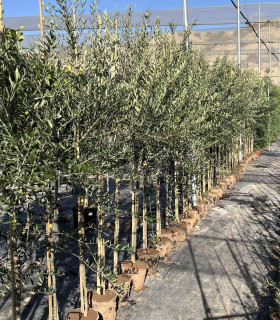

The olive tree originated in the Mediterranean basin. It is an evergreen tree, among the longest-lived in existence (2000 years), which very slowly reaches 9 meters in height and 5-7 meters in width, and more if it finds the space.
The Casuarina could be the perfect choice. With its unique appearance and ability to adapt to various climates, this tree has become a popular choice among gardeners and landscape designers.
Characteristics of the Casuarina
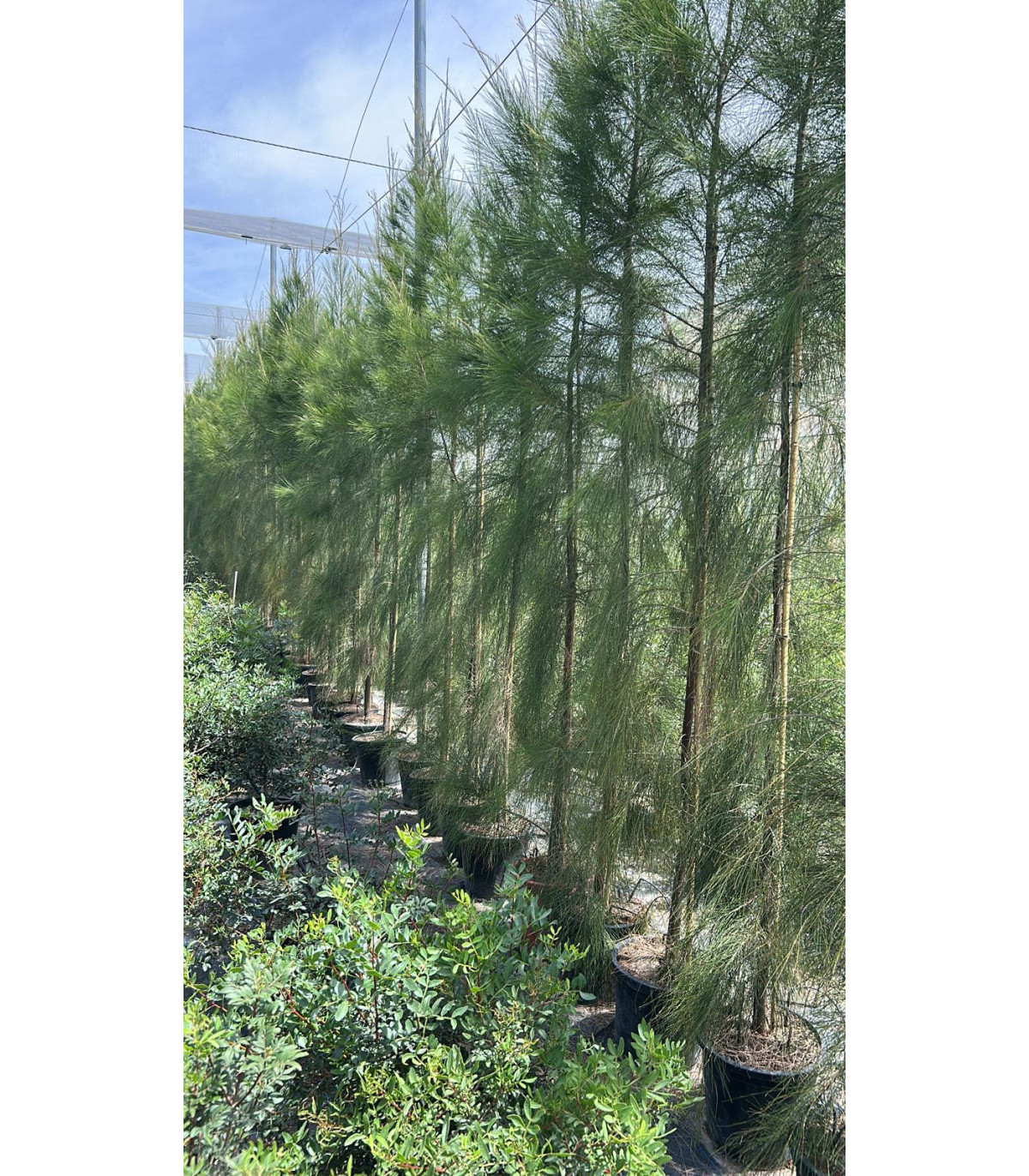
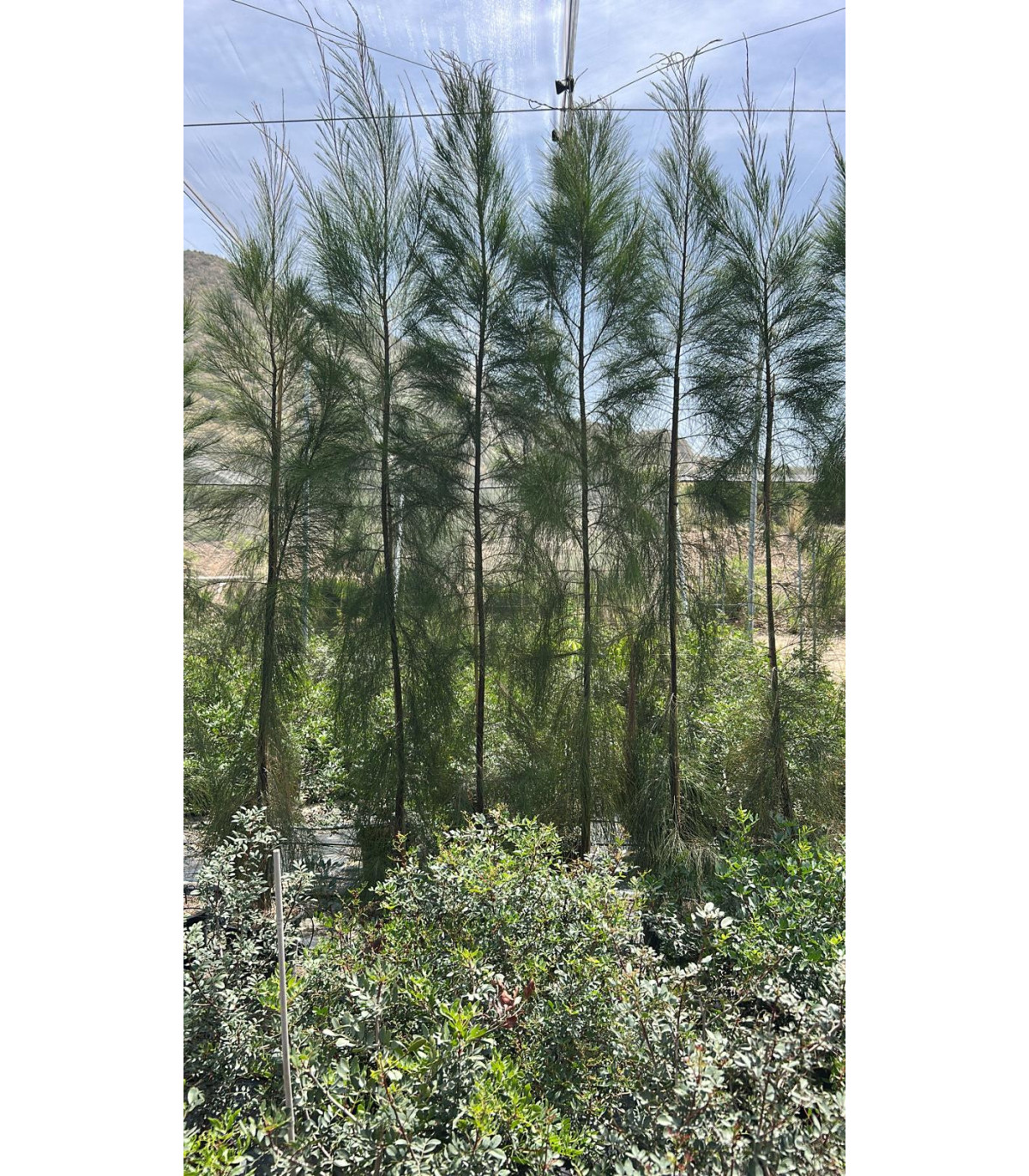
The Casuarina, also known as the Australian pine or melancholy tree, is a genus of evergreen trees and shrubs native to Australia and Oceania. Its name comes from the resemblance of its twigs to the plumage of the cassowary, a flightless bird.
- Leaves: Unlike true pines, the leaves of the Casuarina are small and scaly, grouped in segments reminiscent of horsetails. This appearance gives it a delicate and airy foliage.
- Flowers: Its flowers are small and inconspicuous, grouped in spikes.
- Fruits: It produces woody fruits, similar to small pinecones, which contain the seeds.
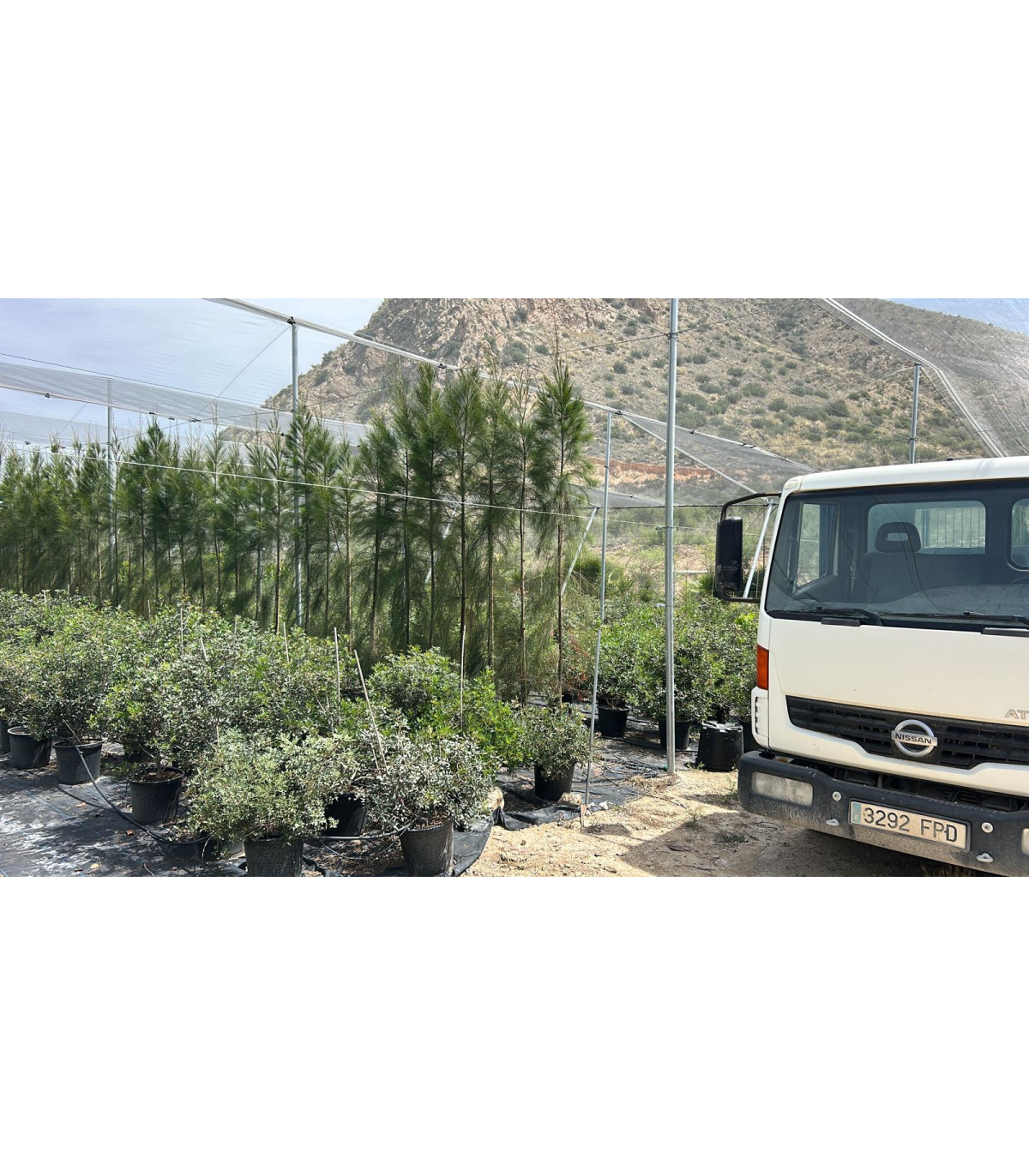
- Size: It can reach considerable heights, depending on the species, making it an ideal tree for spacious gardens.
Benefits of growing a Casuarina
- Resistance: The Casuarina is known for its resistance to drought, salinity and poor soils.
- Fast growth: Its rapid growth makes it an excellent choice for creating hedges or visual screens in a short time.
- Adaptability: It adapts to a wide variety of climates, from tropical to temperate.
- Ornamental: Its exotic foliage and elegant shape make it a prominent ornamental element in any garden.
- Uses: In addition to its ornamental value, Casuarina wood is used in carpentry and the plant has medicinal properties.
Casuarina Care
The Casuarina is a relatively easy tree to care for, but it requires some basic care to ensure its proper development.
- Location: Prefers sunny places, although it tolerates partial shade.
- Soil: It adapts to various soil types, but prefers well-drained soils.
- Watering: Although drought resistant, it is advisable to water it regularly during the first few years after planting.
- Pruning: The Casuarina tolerates pruning well, allowing it to be given the desired shape.
- Pests and diseases: It is resistant to pests and diseases, but can be affected by fungi in excessively humid conditions.