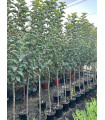
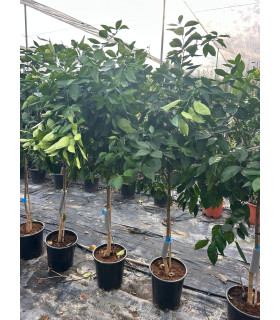
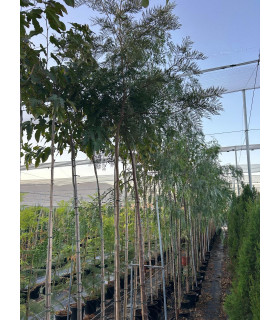
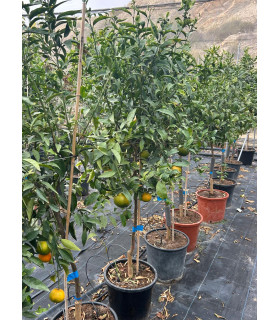
The fig tree, a fruit tree with a rich tradition and great beauty, is the perfect choice for you. Its cultivation, although it requires some specific care, is very rewarding and will allow you to savor the fruits of your labor.
Characteristics of the Fig Tree
The fig tree, whose scientific name is Ficus carica, is a deciduous tree or shrub belonging to the mulberry family. Native to Asia, it has naturalized in many regions of the world, especially in areas with a Mediterranean climate.
- Size and shape: It can reach a height of up to 8 meters and develop a wide, rounded crown.
- Leaves: Its leaves are large, lobed, and rough to the touch.
- Fruit: Figs are the fruit of the fig tree. They are fleshy and sweet, with a thin skin and juicy pulp. Their color varies depending on the variety, from green to black, including yellow and purple.
Varieties of Fig Trees
There are numerous varieties of fig trees, each with its own characteristics in terms of size, flavor, and ripening time. Some of the most popular varieties are:
- Common fig: They produce two harvests a year: brebas (early fruits) and figs (late fruits).
- Prickly pear: Originally from Türkiye, it is characterized by its large and sweet fruits.
- Black fig from Seville: A variety highly prized for its intense flavor and dark color.
Fig Tree Care
For your fig tree to grow healthy and produce abundant fruit, it is important to provide it with the proper care:
- Location: The fig tree prefers sunny places protected from the wind.
- Soil: It adapts to different types of soil, but prefers fertile and well-drained soils.
- Watering: It needs regular watering, especially during periods of drought. Avoid waterlogging.
- Pruning: Pruning is necessary to control its growth and promote fruit production.
- Fertilization: Apply an organic fertilizer rich in potassium at least once a year.
- Pests and diseases: The fig tree can be affected by various pests and diseases, such as mealybugs or powdery mildew.
Benefits of Growing a Fig Tree
Growing a fig tree has multiple benefits:
- Delicious fruits: Figs are a very versatile fruit, ideal for eating fresh, in jams, compotes or dried.
- Medicinal properties: Figs are rich in fiber, vitamins and minerals, and have laxative and anti-inflammatory properties.
- Ornamental value: The fig tree is a very decorative tree, perfect for gardens and patios.
- Sustainability: Growing your own food allows you to reduce your carbon footprint and enjoy healthier, more natural products.
Read moreShow less