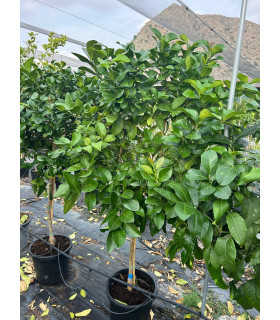

The grapefruit, belonging to the citrus family, is known for its juicy pulp and sweet and sour flavor. It thrives in warm and subtropical climates, where it receives plenty of sunlight.
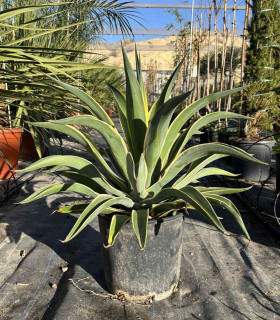
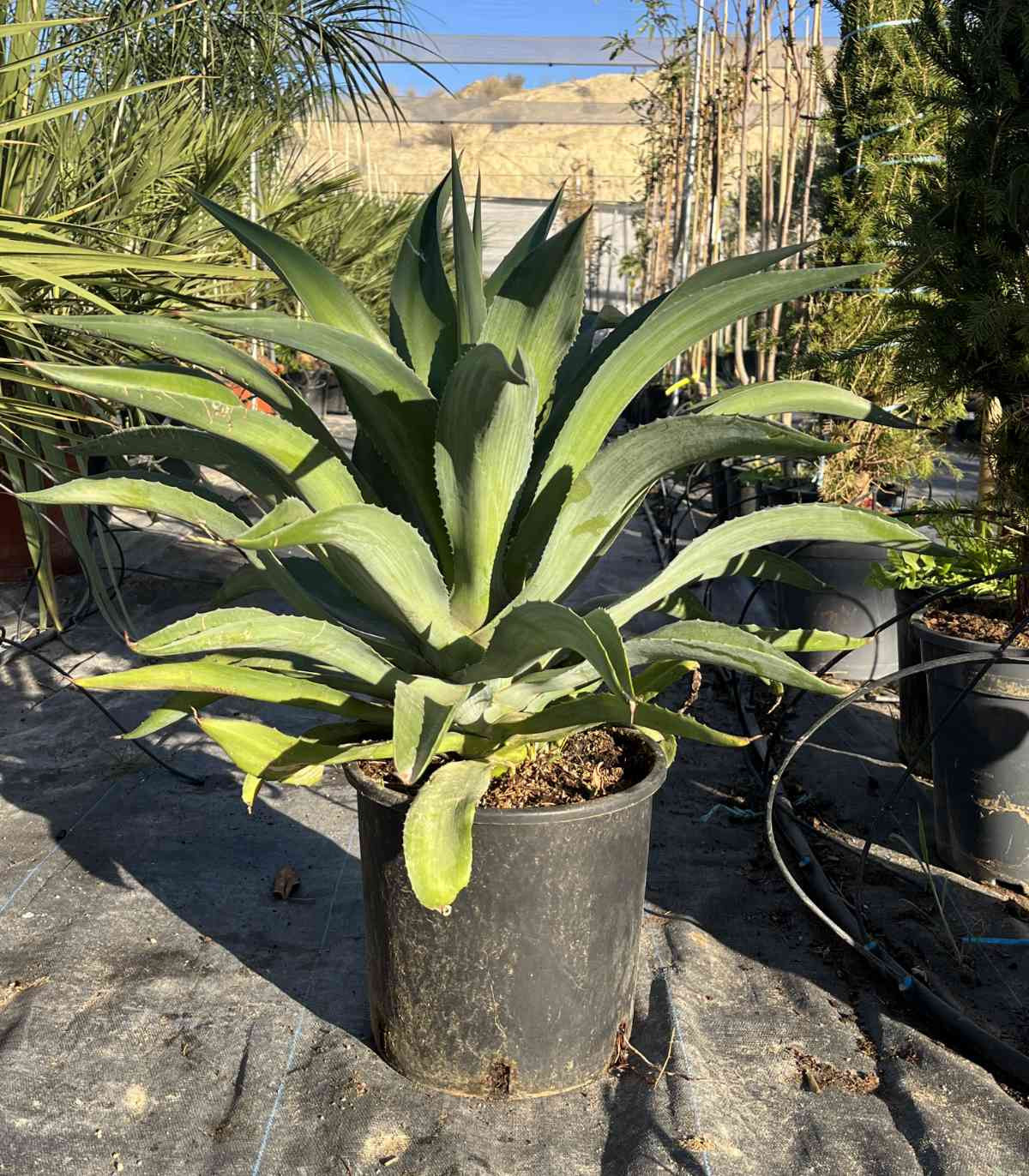
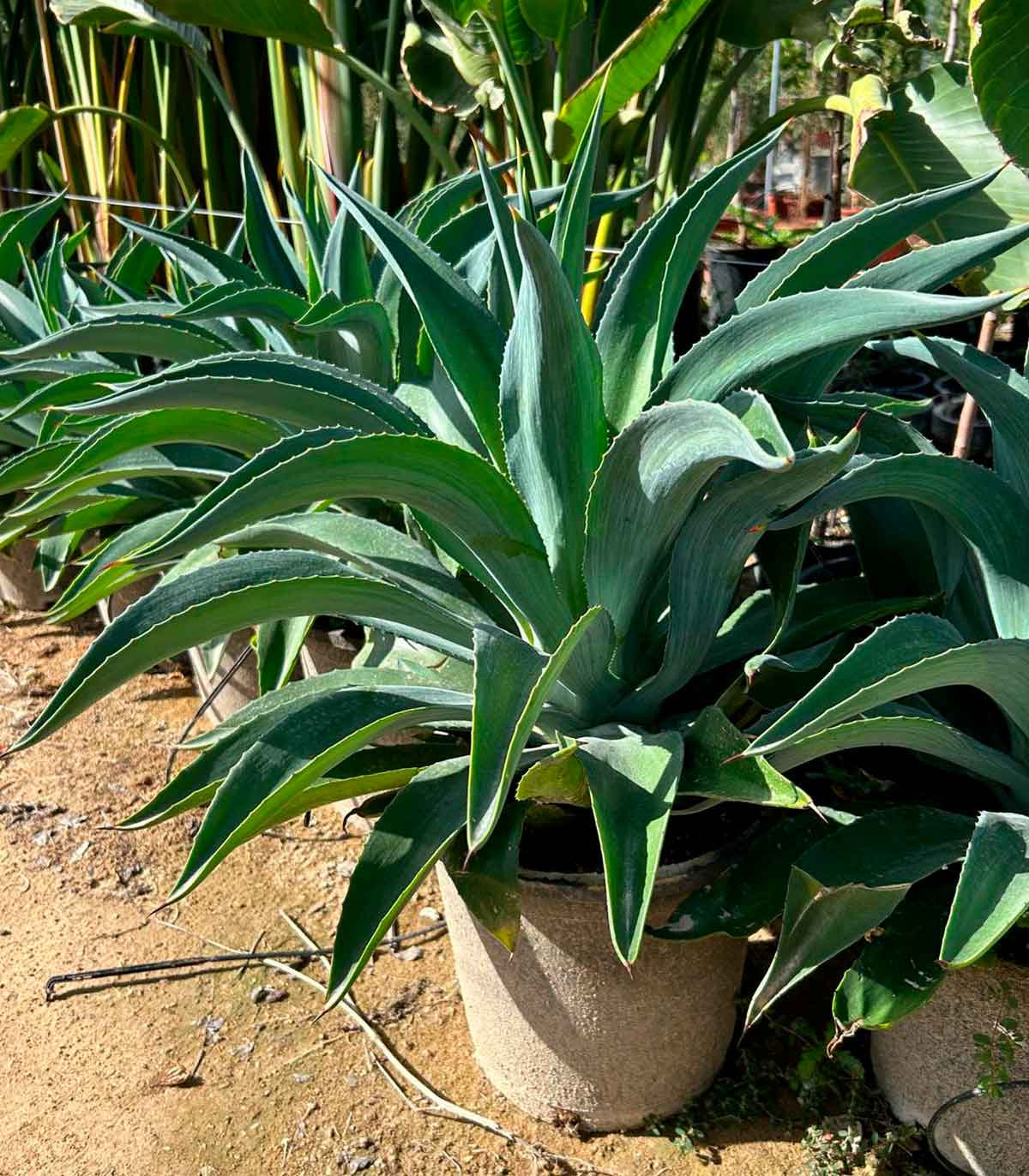
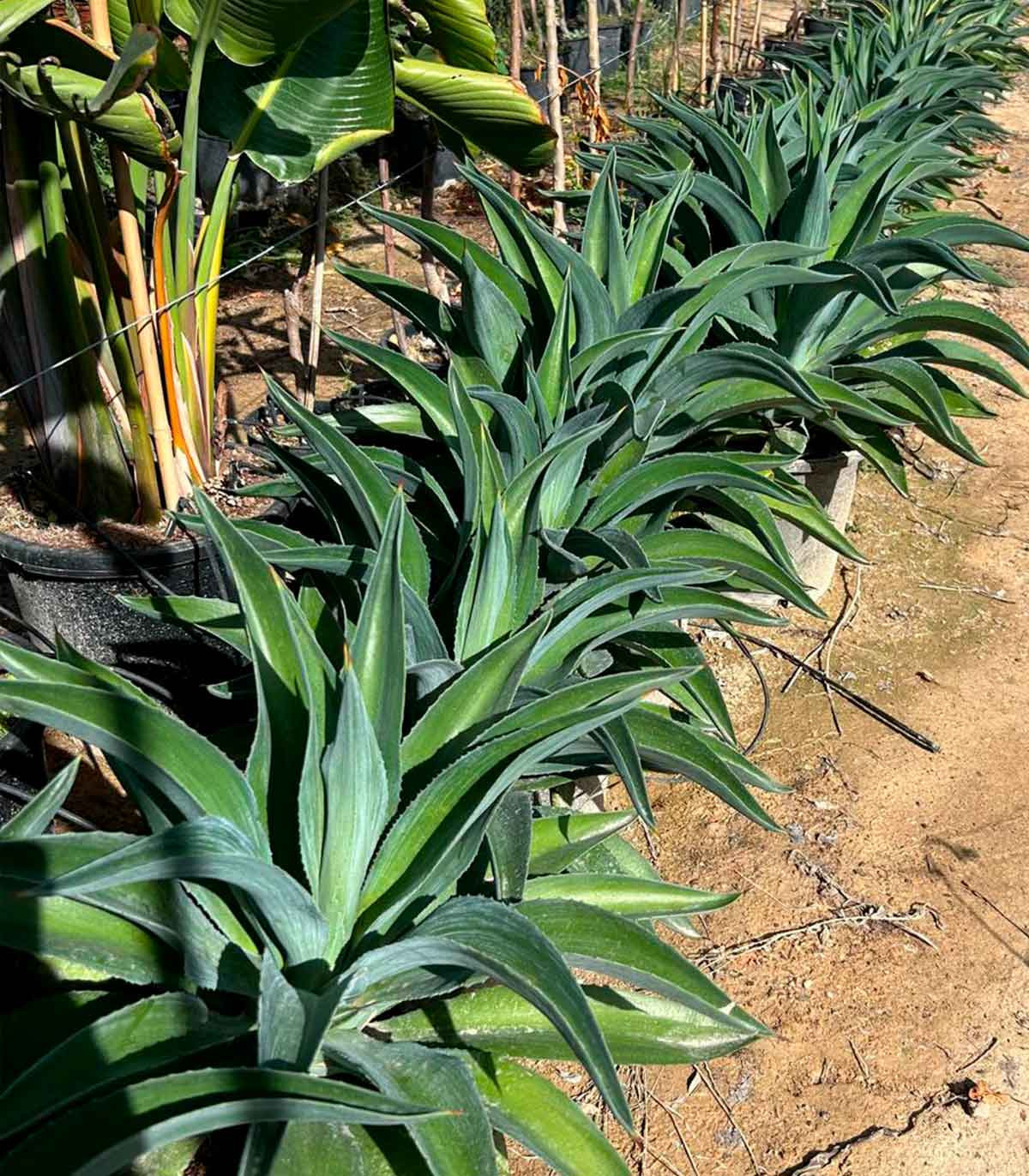
The Agave is a genus of succulent plant, native mainly to the warm regions of Mexico and the southern states of the United States, now adapted to the Mediterranean zone.
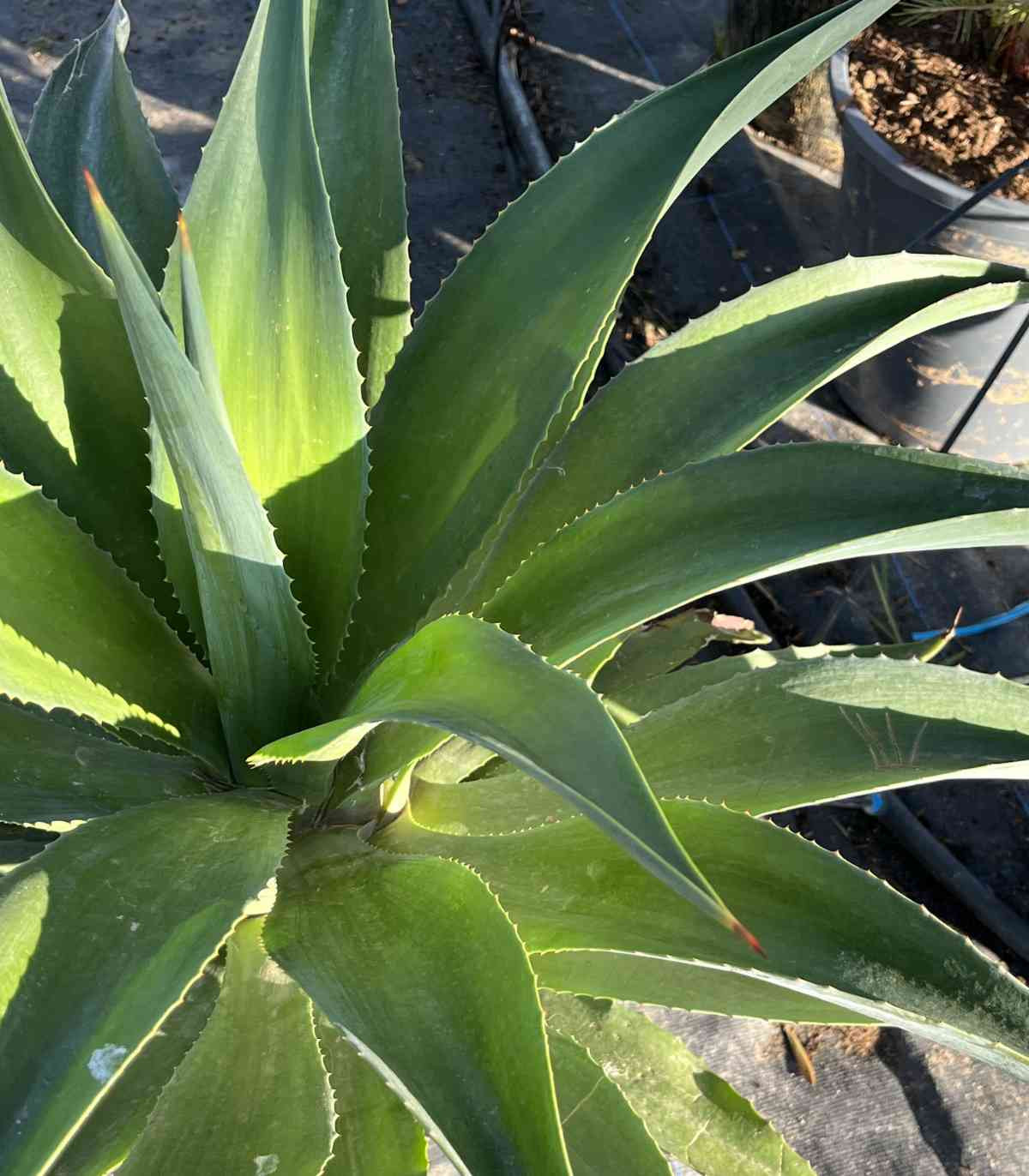
Agave is a genus of succulent plant, native primarily to the warm regions of Mexico and the southern United States, and now adapted to the Mediterranean climate. Its leaves are arranged in a circular, fleshy shape, ending in a spine and often with serrated edges. After many years, they produce inflorescences of pale yellow, bell-shaped flowers at the tips of very tall peduncles. It is very resistant to seawater salinity.
The Agave is characterized by developing a small trunk, thus taking on a tree-like shape. It has pale green leaves with spineless edges. Large and picturesque, it has a curved stem and yellow inflorescences in mature plants.
Physiological and cultivation characteristics:
It can reach a height of 1.80 to 2 meters and a width of 2 to 3 meters.
- It belongs to rusticity zone 9.
- It is fast-growing.
- It must be in an area exposed to full sun.
- Suitable for small gardens.
- It can be grown in pots, planters and flower boxes to decorate terraces, balconies, etc.
- It can be planted individually but is also suitable for forming groups (more plants of the same variety).
- Sea resistant.