


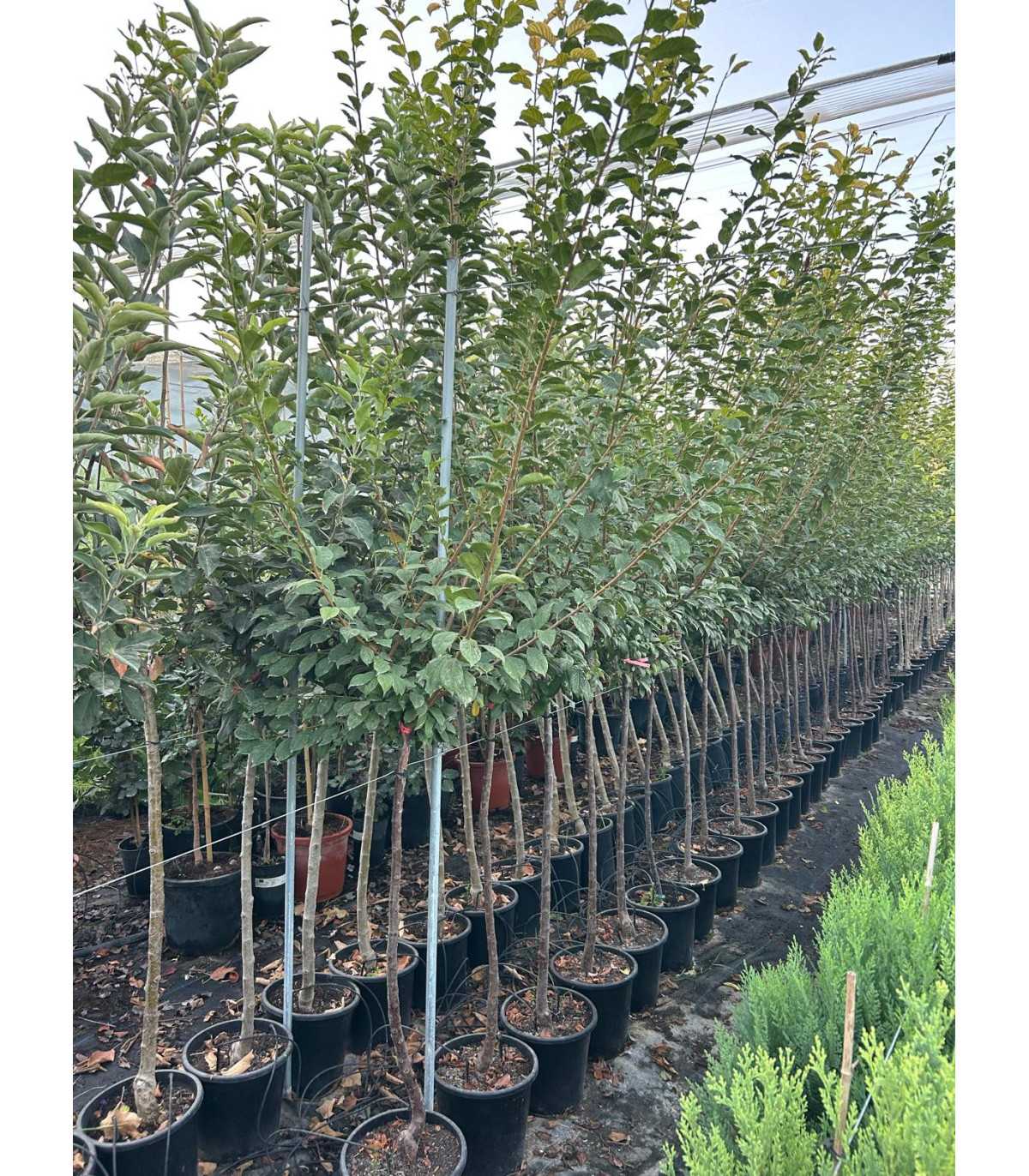

Plum tree (Prunus domestica)

The plum tree is a small tree that rarely exceeds 6-7 m in height; hardy, it adapts to the most diverse climates and can be successfully grown in all regions of Spain, Italy and France.
Pot: 9L / 150-200 cm
The plum tree is the perfect choice for you. This fruit tree, prized for its delicious plums and ornamental beauty, is a wonderful addition to any green space. In this comprehensive guide, we'll explain everything you need to know about plum trees, from their characteristics to the care they require.
Characteristics of the Plum Tree
The plum tree (Prunus domestica) is a deciduous tree belonging to the rose family. It is characterized by its rounded, dense crown and can reach heights of between 5 and 10 meters. Its leaves are oval and toothed, with a deep green color that turns yellow or reddish in autumn.
One of the most striking features of the plum tree is its white or pink blossoms, which appear in spring before the leaves and fill the air with their sweet fragrance. These blossoms give rise to the fruit, the plums, which can be of different sizes, colors, and flavors, from sweet yellow plums to tart red plums.
Plum Tree Cultivation and Care
The plum tree is a relatively easy fruit tree to grow, but it requires some basic care to ensure its proper development and fruit production.
- Climate: The plum tree prefers temperate climates with cold winters and warm summers. It tolerates frost well, but late frosts can damage the flowers and fruit.
- Soil: The ideal soil for the plum tree is deep, fertile, well-drained and slightly acidic.
- Planting: The best time to plant a plum tree is in autumn or early spring. The planting hole should be large enough to allow the roots to spread out.
- Watering: Plum trees need regular watering, especially during dry periods and fruiting season. Avoid waterlogging, as this can encourage disease.
- Pruning: Pruning is essential to keep the tree healthy and productive. It is done in late winter, before new growth begins.
- Fertilizing: It is recommended to fertilize the plum tree once a year, in early spring, with an organic fertilizer.
- Pests and diseases: Plum trees can be attacked by various pests and diseases, such as aphids, scale insects, and powdery mildew. It is important to carry out preventative and curative treatments if necessary.
Plum Varieties
There are numerous varieties of plum trees, which differ in size, color, flavor, and ripening time. Some of the most popular varieties are:
- Reine Claude plum: Large fruits, yellow or red in color, with a sweet and juicy taste.
- Stanley Plum: Large, dark blue fruits with a slightly acidic taste.
- Mirabelle Plum: Small fruits, golden yellow in color, with a very sweet taste.
Benefits of the Plum Tree
Besides being a delicious fruit, plums offer numerous health benefits. Plums are rich in fiber, vitamins (A, C, K), and minerals (potassium, iron). Regular consumption helps improve digestion, strengthen the immune system, and reduce the risk of cardiovascular disease.

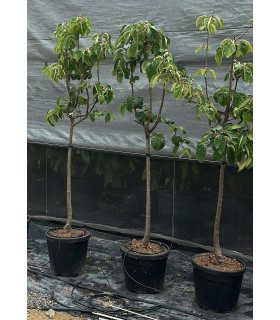

Deciduous tree, which can reach a height of 5-8 m., with the crown spread.
Pot: 10L / 160-180 cm
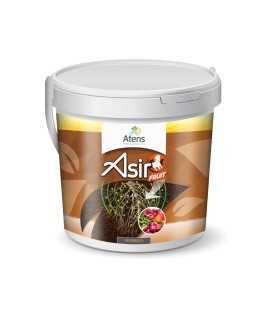
ASIR Fruit is a comprehensive product in tablet form that provides beneficial microorganisms to promote balanced growth and strong root development in fruit and ornamental plants. It is ideal for adding to the planting hole during transplanting to ensure good root establishment, which is crucial in the initial stages of a transplanted plant.
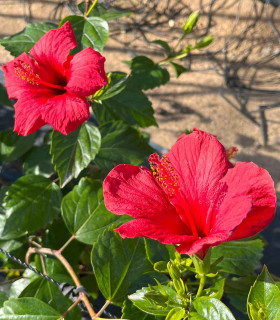
Originally from China and India, it is, within the hibiscus genus, the most widespread species in continental Europe, the only one that is completely rustic.
Pot: 6L / 120-140 cm

The Strelitzia Augusta, also known as the White Bird of Paradise, is a plant native to South Africa that stands out for its exotic beauty. Its large, oval, deep green leaves, with a prominent central vein, give it an elegant, tropical appearance.

The apple tree, a fruit tree from the rose family, is an excellent choice for beautifying your garden and producing high-quality fruit. In this comprehensive guide, we'll provide you with all the information you need to grow your own apple tree and reap a bountiful harvest.
Pot: 10L / 150-200 cm


The Agave is a genus of succulent plant, native mainly to the warm regions of Mexico and the southern states of the United States, now adapted to the Mediterranean zone.